
Deadshot.io
Game info
Deadshot.io is developed by a small independent team focused on lightweight browser FPS design. While the exact core developers aren’t publicly highlighted, the project follows a clear division of responsibilities: the core team handles engine updates and network optimization, while additional contributors support map creation, weapon balancing, UI improvements, and community management. Development is centered on maintaining smooth performance in browsers, frequent balance patches, and reliable matchmaking for both casual and competitive play.
Evolution of Deadshot.io
The game started as a simple arena shooter with a minimal weapon pool and a single fast-paced mode. Over time, the developers expanded the arsenal, added new maps, and introduced advanced mechanics to deepen gameplay. Weapon behaviors were refined, recoil patterns adjusted, and TTK rebalanced to better support competitive pacing. UI systems were optimized for clarity, while overall performance improved across browsers. The visual style also evolved, now offering cleaner silhouettes and better readability in combat.
Main Game Modes
The core mode is a competitive free-for-all or team-based shooter format, depending on the lobby. Ranked ladders allow players to compete in structured matches with skill-based progression. Objective-based modes—such as point capture, elimination rounds, or payload-style movement—add strategic depth. Custom rooms give players full control over rulesets, enabling community-created formats and tournaments. Seasonal or limited-time modes rotate periodically, introducing experimental twists or themed events.
Core Gameplay Systems
Deadshot.io emphasizes precise hit registration and a low-latency combat model. Recoil patterns vary by weapon type, and the TTK is tuned for fast engagements. Movement typically includes sprinting and quick strafing, sometimes with advanced mobility depending on the mode. Weapons are divided into clear categories—rifles, SMGs, snipers, shotguns—each with a defined combat role. Some modes introduce gadgets or utilities like grenades or vision tools. Maps are built around balanced chokepoints, high-ground control, and open sightlines. Respawn times remain short to maintain match flow, and scoring adapts to the selected mode.
Key Differences From Other Browser-Based Shooters
Deadshot.io prioritizes performance, using an engine optimized for instant browser loading and smooth frame rates. Visual design focuses on clarity over detail, ensuring strong target visibility. The netcode is tuned for responsive inputs and minimal lag across regions. While many browser shooters rely solely on weapon skill, Deadshot.io often includes unique mechanics such as class abilities or utility gadgets depending on the mode. Progression and unlocks are lightweight, making the game accessible for new players while still rewarding long-term engagement.
Weapons and Equipment
Weapons are arranged into classes with distinct stats: damage, fire rate, accuracy, and recoil. Snipers deliver high burst damage; rifles offer balanced mid-range performance; SMGs excel in close-quarters combat; shotguns dominate at point-blank range. Unlocks may require leveling or completing challenges. Customization includes weapon skins, reticle styles, and cosmetic attachments that do not affect balance. The developers prioritize competitive fairness, so visual customization is kept separate from gameplay advantages.
Characters or Classes
If a mode uses class-based gameplay, each character offers unique abilities or slight stat variations. Some classes may specialize in mobility, others in durability or utility. Balance is maintained through counterplay: high-damage classes may have lower mobility, while support-focused ones rely on team synergy. Special mechanics like temporary shields or scanning tools vary by mode.
Maps and Environments
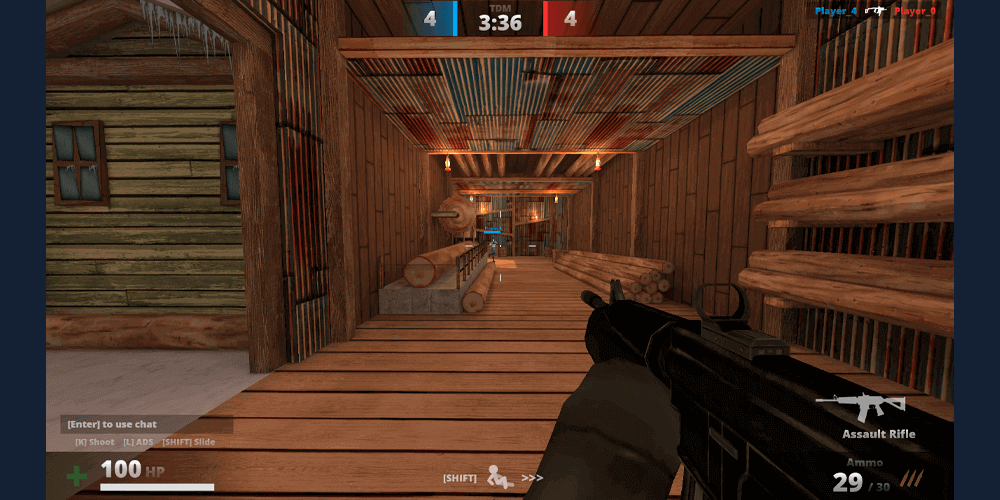
Deadshot.io offers multiple maps with distinct layouts: open arenas with long sightlines, corridor-heavy interiors favoring close-range fights, and multi-level structures that reward vertical control. Each map includes choke points, flanking paths, and cover placements designed to support different playstyles. Competitive maps are balanced to avoid excessive camping and encourage constant movement.
Progression and Customization
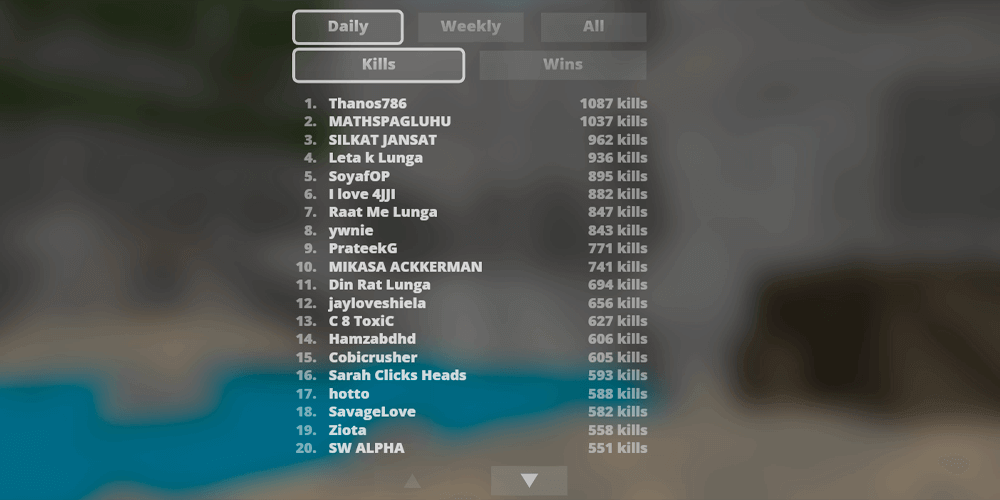
Players earn XP through matches, unlocking levels and cosmetic rewards. Some seasons may include battle-pass–style progression or time-limited challenges. Customization typically stays within visual changes—skins, emblems, banners—while gameplay impact remains purely skill-based. Player profiles track kill/death ratios, win rates, and other stats for competitive comparison.
Old Deadshot.io
Early versions of Deadshot.io offered a much smaller experience: fewer maps, a limited weapon set, and a basic UI. Matchmaking was simplistic and often relied on manual lobby selection. Damage values were more inconsistent, and class design—if present—was less defined. Many features now considered standard, such as progression systems or custom rooms, were absent. The early build served primarily as a fast prototype before the game expanded into its modern form.
Community and Competitive Scene
Deadshot.io maintains an active player base across regions, with peak activity during seasonal events. Ranked play forms the cornerstone of its competitive scene, supported by community-run tournaments and clan-based competitions. Social features include friend lists, in-game chat, and community lobbies. Many players create custom rulesets for scrims, warm-ups, or challenge-based matches, contributing to the game’s longevity and replayability.
If you need, I can also produce a condensed version, a script-style review, or a comparison with other browser shooters like Shell Shockers or Krunker.